

L’autore ci porta alla scoperta del carpfishing all'ombra dei giganti, quegli imponenti muraglioni di cemento armato che sbarrano le valli, custodi silenziosi di acque profonde e misteriose.
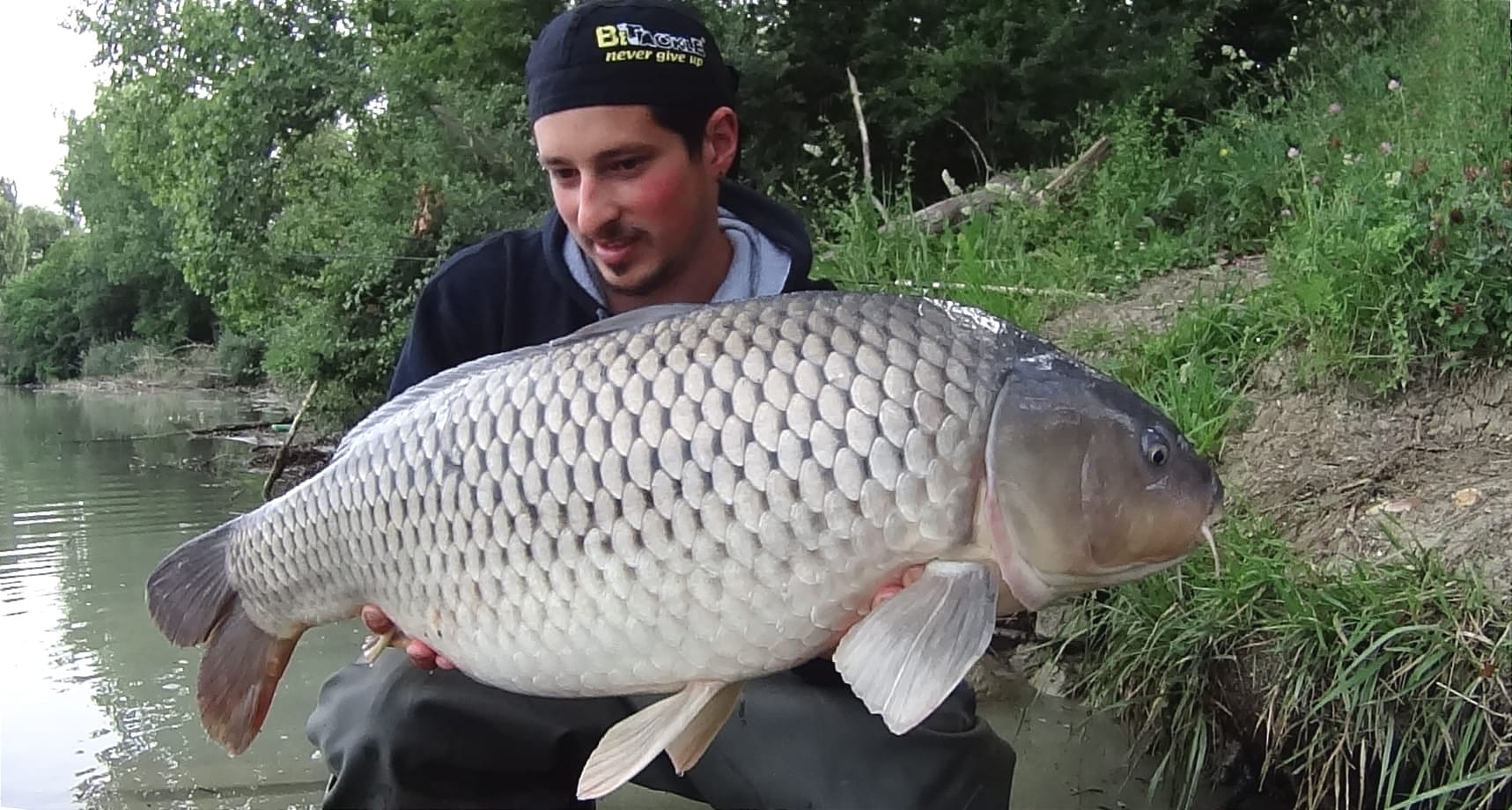
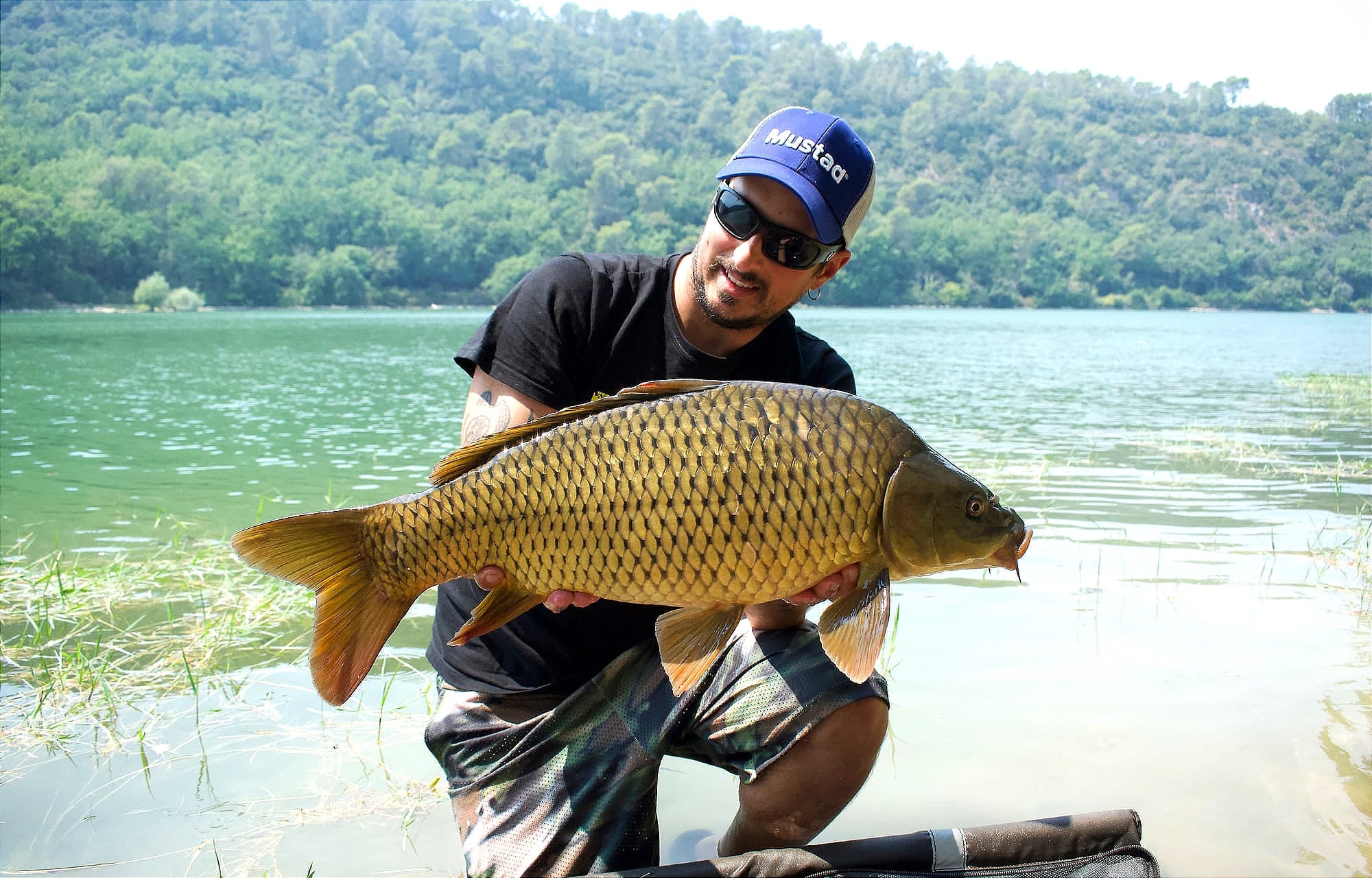
foto in alto: l’autore con una carpa a specchi insidiata in piena estate a ridosso di un muraglione.
Vivere la diga lungo l’arco delle quattro stagioni significa imparare a dialogarci assecondando il suo "respiro" fatto di piene improvvise, svuotamenti repentini e correnti invisibili. La cattura di grandi carpe qui è il frutto di un’esperienza maturata stagione dopo stagione, costruita su migliaia di ore trascorse con gli occhi fissi sull'acqua a decifrare ogni minimo segnale dell'invaso.
Autunno - L’autunno è senza dubbio uno dei momenti più magici e redditizi per la pesca. Dopo le lunghe estati torride, le piogge risvegliano gli immissari, i livelli dell’acqua tornano a salire e le correnti fresche riossigenano finalmente l'invaso. Troviamo carpe in piena attività, spinte dall’istinto ad accumulare proteine e grassi per affrontare il rigore dell’inverno. In questo periodo le boilies arricchite con Robin Red e farine di pesce altamente proteiche regalano le catture migliori. Non ho timore di azzardare inneschi generosi e perfettamente bilanciati, combinando diametri importanti come 24-20 millimetri o 20-14, accompagnati da pasture a base di tiger nuts e particles ben preparate. Il clima ancora mite permette di insidiare sia i plateau a media profondità sia le fasce più fonde. Le foglie che cadono, i boschi tinti di rosso e le prime arie frizzanti all’alba di ottobre e novembre mi fanno sentire a casa, regalando quegli scenari che ammiro fin da bambino e che continuano ad alimentare il sogno di un gigante nel guadino.
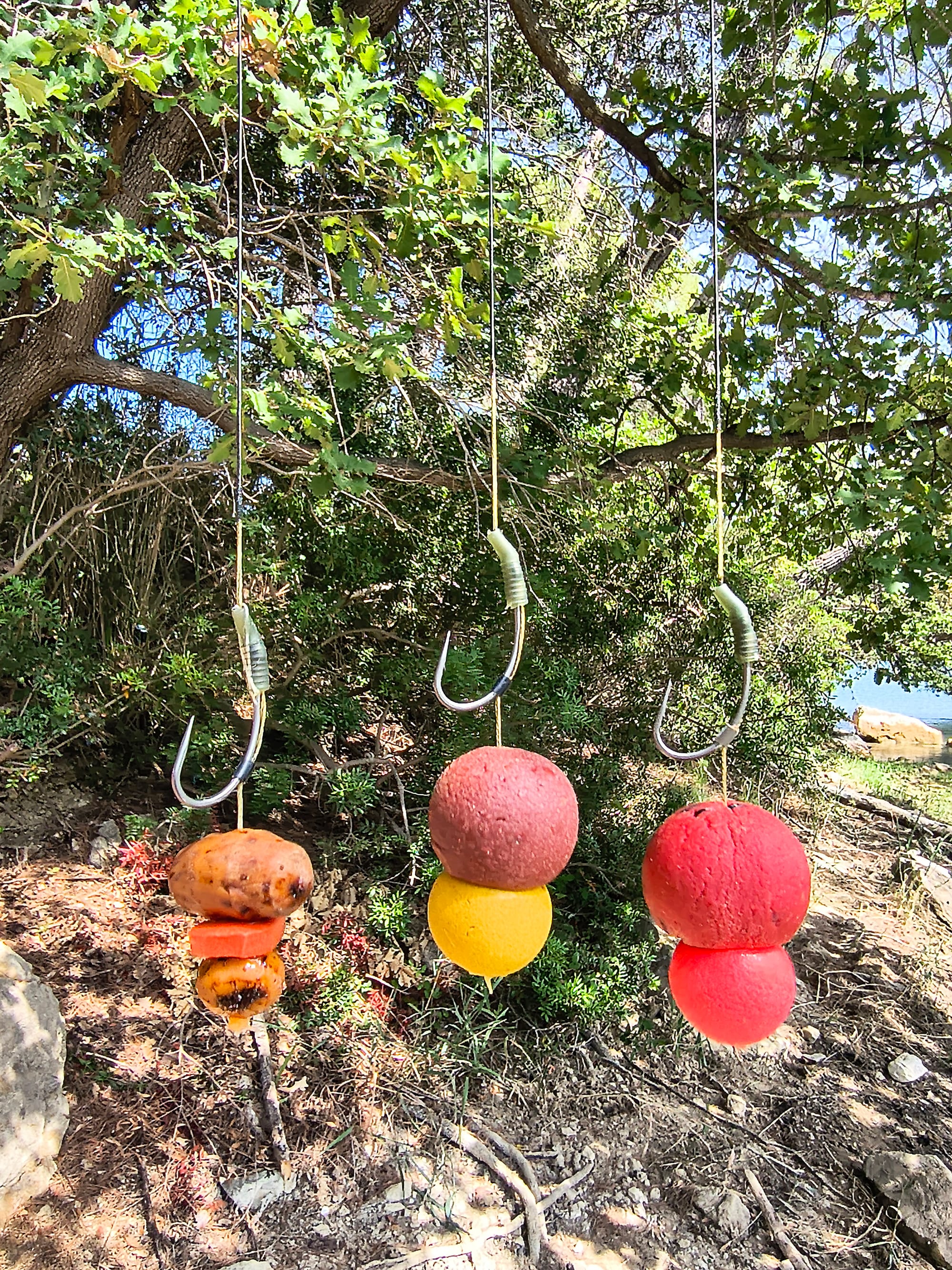
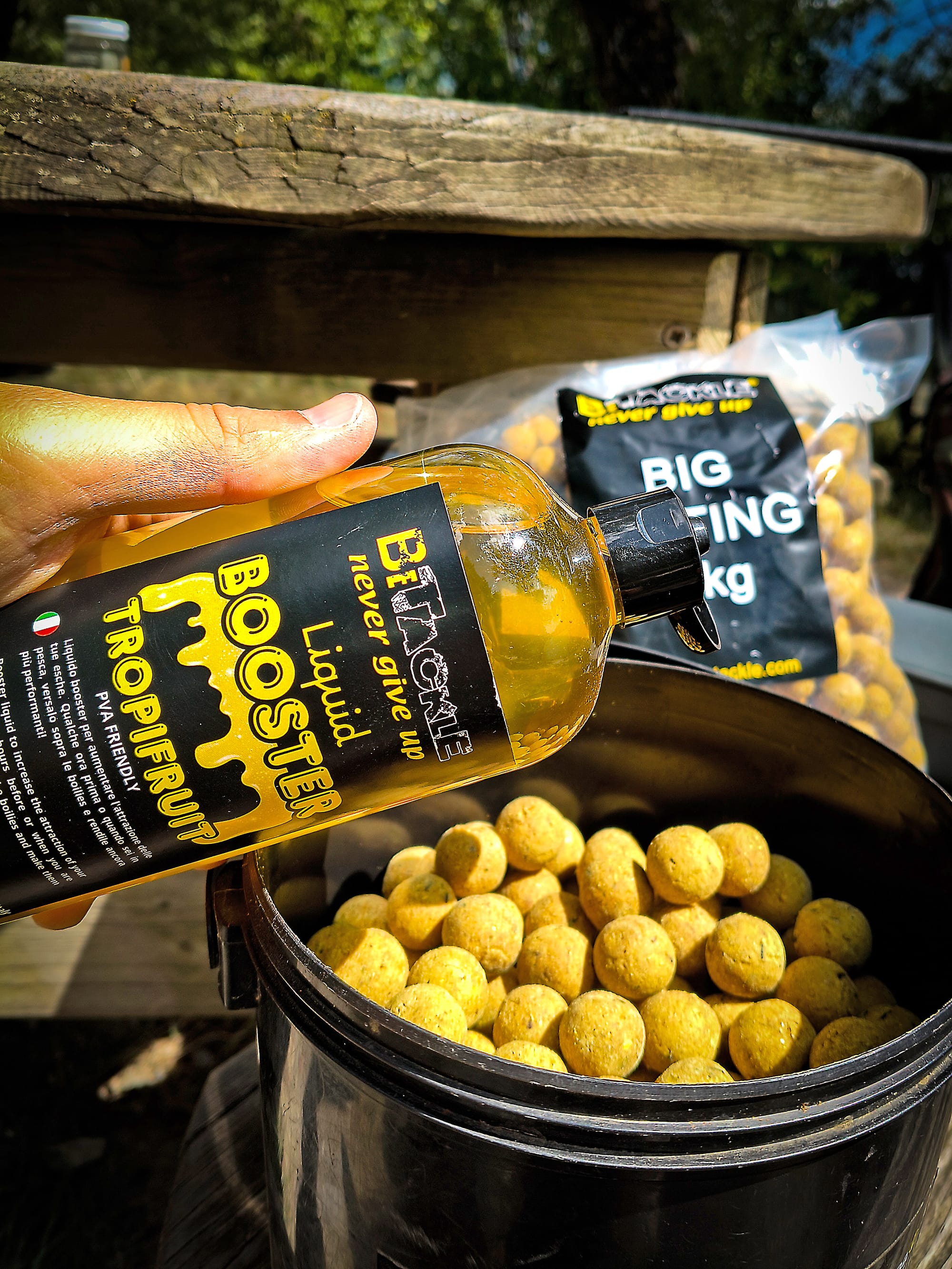
Ammollare pasture e inneschi aumenta il potere attrattivo sui pesci di passaggio.
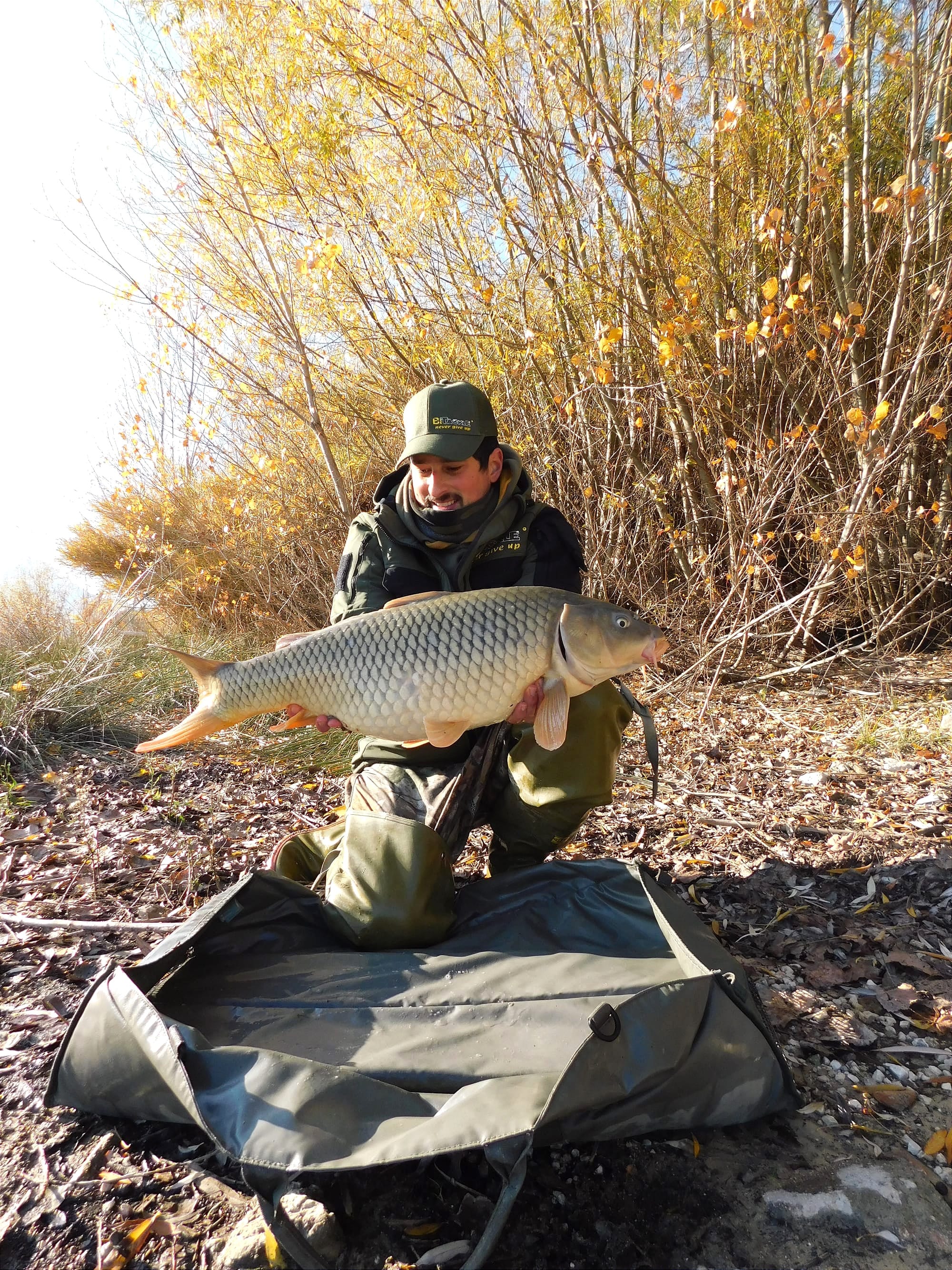
Inverno - Arriva poi la stagione più severa, dove ogni dettaglio va calcolato e non si può lasciare nulla al caso e spesso una sola, sporadica partenza nell'arco di più giorni è l'unica occasione concessa. I grandi esemplari continuano a muoversi, ma l'apatia generale causata dalle acque gelide rallenta drasticamente il loro metabolismo. In questa fase scelgo una pasturazione mirata e ridotta all'osso, puntando però su esche con un buon bilanciamento nutrizionale per non saziare immediatamente il pesce. È proprio nel cuore dell'inverno che possono materializzarsi le sorprese più grandi, le sponde sono deserte, la minutaglia è inattiva e le carpe seguono le loro rotte biologiche indisturbate. Inneschi compatti e calate studiate con precisione fanno la differenza. Con i livelli d'acqua spesso al massimo per piogge e nevicate, si aprono spot marginali normalmente inaccessibili, ma la mia preferenza va quasi sempre alle profondità, dove la temperatura dell'acqua resta più stabile e al riparo dal vento gelido. La brina sulla tenda, le partenze fulminee nel silenzio irreale della notte con il fumo che esce dalla bocca e quei pesci con livree perfette… spettacolo puro!
Primavera - Al disgelo la diga cambia pelle e la vita esplode con prati allagati, fioriture, insetti in fermento e fondali che si risvegliano. Dal torpore invernale le carpe ripartono con vigore, facendosi tradire dai primi salti in superficie e risalendo verso le rocce scaldate dal sole e le baie più riparate, dove l'aumento termico le guiderà verso la frega. Il periodo tra aprile e maggio è un autentico divertimento, i pesci si alimentano con regolarità e si preparano all’accoppiamento. È il momento di sfruttare sia le acque basse sia gli scalini intermedi, impiegando anche aromi fruttati come la classica banana di Betackle con mix leggeri e digeribili, capaci di regalare partenze multiple senza saziare il banco durante la ripresa metabolica. Con il pesce in continuo movimento, spesso affronto la diga con sessioni rapide diurne, seguendo i banchi a vista anche a pochissimi metri da riva. Poi arriva il sacro momento della riproduzione dove le carpe perdono interesse per il cibo, dedicandosi completamente a spettacolari danze, sfregamenti e schizzi nelle praterie sommerse. Le grandi femmine toccano il loro peso massimo prima della deposizione, un frangente in cui il rispetto deve essere totale, con manipolazioni rapide, bagnatura costante e rilasci immediati, prima di lasciare spazio al fermo biologico.
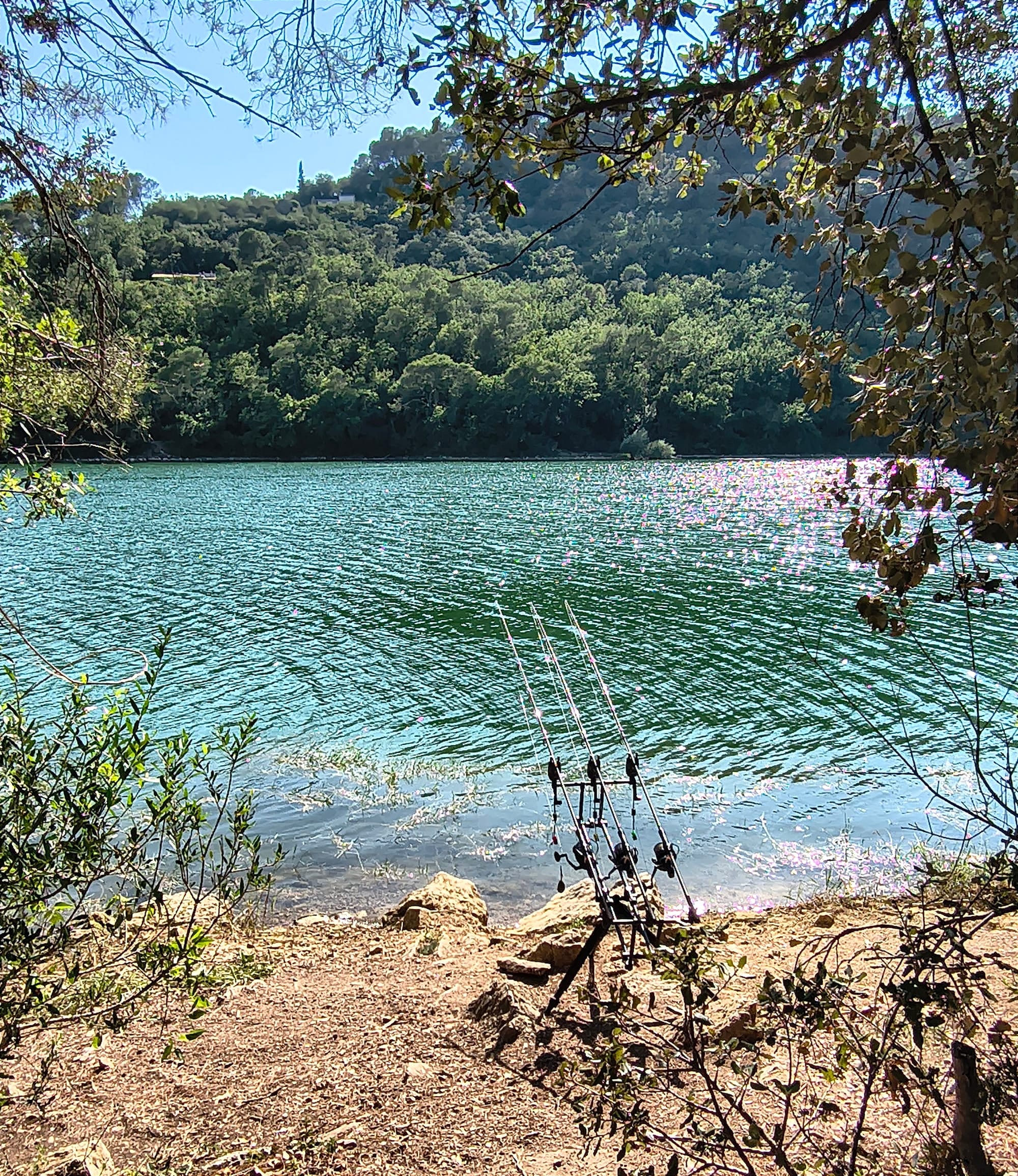
Estate - L'estate è il periodo più ostico per la pesca, pur rimanendo impagabile per l'atmosfera del campo, le notti stellate e qualche tuffo rinfrescante. Il caldo estremo e la scarsa ossigenazione rendono le carpe apatiche durante le ore diurne, concentrando l'attività quasi esclusivamente nei brevi cambi di luce all'alba e al tramonto. In questo contesto bisogna fare molta attenzione al termoclino: pescare troppo a fondo, sotto questa fascia, significa posare i terminali in acque fresche ma spesso prive di ossigeno, rendendo nulla l'azione di pesca. L'ideale è intercettare con l'ecoscandaglio la linea di separazione tra gli strati d'acqua, ad esempio tra i m 4 e 7 su fondali di 15, dove si trova il perfetto compromesso tra ossigeno e temperatura. Quando la canicola picchia forte, la chiave vincente è pasturare pochissimo, facendosi trovare pronti con boilies cariche di attrattori liquidi e pellet a rapido scioglimento nell'esatto istante in cui i pesci sono in transito, lasciando le ore centrali della giornata al relax dell'ombra.
Il carpfishing in grande invaso è una sfida affascinante e complessa, teatro di alcune delle catture più maestose nella storia di questa disciplina. Serve studio a tavolino, spirito di adattamento e una lettura attenta dei livelli idrici, che nei bacini idroelettrici possono mutare rapidamente nell'arco di poche ore. Per questo è fondamentale posizionare sempre il campo ben al di sopra della linea di piena ed evitare l'uso prolungato dei sacchi di mantenimento: i “carpsack”. Un calo improvviso delle acque durante la notte rischierebbe di lasciare il pesce all'asciutto sulla sponda, un pericolo inaccettabile per chi ama e rispetta queste creature. Alla fine, pescare in diga non è soltanto una sfida tecnica o la caccia a un record personale. È un patto silenzioso che stringiamo con la vastità dell'acqua e con quei colossi di cemento che ne custodiscono i segreti. Significa imparare ad accettare i cappotti sotto la pioggia battente, le notti in bianco con il gelo nelle ossa e le lunghe attese a scrutare un orizzonte immobile. Ma quando nel silenzio più profondo un segnalatore urla, quando la canna si piega e dagli abissi emerge la sagoma possente di una grossa regina scolpita dall’acqua, ogni sacrificio trova improvvisamente un senso. Guardare quegli occhi antichi mentre riprendono la via del fondo, lasciandosi alle spalle solo un vortice d'acqua scura, è il regalo più grande che queste acque possano farci.
Carp in the Shadow of Giants
By Luca Bandieri
The author takes us into the world of carp fishing in the shadow of giants: those towering reinforced-concrete walls that block valleys, standing silent guard over deep and mysterious waters.
Experiencing a reservoir through all four seasons means learning to communicate with it, following its “breathing”: sudden floods, rapid drawdowns and invisible currents. Catching big carp here is the result of experience gained season after season, built on thousands of hours spent watching the water and deciphering every subtle sign the reservoir offers.
Autumn — Autumn is undoubtedly one of the most magical and productive times for fishing. After the long, scorching summer, rain brings the feeder streams back to life, water levels begin rising again and cool currents finally reoxygenate the reservoir.
The carp are fully active, driven by instinct to build up protein and fat reserves for the harsh winter ahead. At this time of year, boilies enriched with Robin Red and high-protein fishmeals produce the best catches. I am not afraid to use generous, perfectly balanced hookbaits, combining substantial diameters such as 24 and 20 millimetres, or 20 and 14, alongside feed based on tiger nuts and well-prepared particle baits.
The still-mild weather allows us to target both plateaux at intermediate depths and deeper areas. Falling leaves, woods turning red and the first crisp dawn air of October and November make me feel at home. They create the scenes I have admired since childhood, which continue to nourish the dream of a giant in the landing net.
Winter — Then comes the harshest season, when every detail must be calculated and nothing left to chance. Often, a single, isolated run over several days is the only opportunity you get.
The larger fish keep moving, but the icy water drastically slows their metabolism and makes them generally lethargic. At this stage, I keep feeding precise and to an absolute minimum, while choosing nutritionally balanced baits that will not immediately fill the fish up.
It is in the depths of winter that the greatest surprises can materialise. The banks are deserted, small fish are inactive and the carp follow their natural routes undisturbed. Compact hookbaits and precisely planned bait placement make the difference.
With water levels often at their highest after rain and snowfall, marginal spots that are normally inaccessible become available. Even so, I almost always prefer deeper water, where temperatures remain more stable and are sheltered from the icy wind.
Frost on the bivvy, lightning-fast runs in the unreal silence of the night, your breath hanging in the air, and fish in immaculate condition… pure spectacle!
Spring — With the thaw, the reservoir changes character and life bursts forth: flooded meadows, flowers, bustling insects and a seabed awakening from winter.
The carp shake off their winter torpor with renewed vigour, revealing themselves with their first surface jumps and moving towards sun-warmed rocks and sheltered bays, where rising temperatures will draw them towards spawning.
The period between April and May is tremendous fun. The fish feed regularly and prepare to breed. This is the time to make use of both shallow water and intermediate ledges, including fruity flavours such as Betackle’s classic banana, with light, digestible mixes that can produce multiple runs without filling the shoal during its metabolic recovery.
With the fish constantly moving, I often approach the reservoir in short daytime sessions, following shoals by sight even just a few metres from the bank.
Then comes the sacred time of spawning, when carp lose interest in food and devote themselves entirely to spectacular dances, rubbing and splashing through the submerged meadows. The large females reach their maximum weight before laying their eggs. This is a time for absolute respect: brief handling, constant wetting and immediate release, before giving way to the spawning closure.
Summer — Summer is the most difficult season for fishing, although the atmosphere at camp, the star-filled nights and the occasional refreshing swim remain priceless.
Extreme heat and low oxygen levels make carp lethargic during daylight hours, concentrating their activity almost entirely into the brief changes of light at dawn and dusk. In these conditions, close attention must be paid to the thermocline. Fishing too deep, below this layer, means placing rigs in water that is cool but often lacking in oxygen, making the fishing unproductive.
Ideally, use the fishfinder to locate the boundary between water layers—for example, between 4 and 7 metres in water 15 metres deep—where the best balance between oxygen and temperature can be found.
When the heat is at its fiercest, the winning approach is to feed very little and be ready with boilies loaded with liquid attractants and fast-dissolving pellets at the exact moment the fish pass through, leaving the middle of the day for relaxing in the shade.
Carp fishing on a large reservoir is a fascinating and complex challenge, and the setting for some of the most impressive catches in the history of the sport. It requires research beforehand, adaptability and careful attention to water levels, which in hydroelectric reservoirs can change rapidly within a few hours.
For this reason, it is essential to set up camp well above the high-water line and avoid prolonged use of carp retention sacks. A sudden overnight fall in water level could leave a retained fish stranded on the bank, an unacceptable risk for anyone who loves and respects these creatures.
Ultimately, reservoir fishing is more than a technical challenge or the pursuit of a personal best. It is a silent pact with the vastness of the water and the concrete giants that guard its secrets. It means learning to accept blank sessions in driving rain, sleepless nights with the cold in your bones and long hours watching a motionless horizon.
But when a bite alarm screams into the deepest silence, when the rod bends and the powerful shape of a great queen sculpted by water emerges from the depths, every sacrifice suddenly makes sense. Watching those ancient eyes return to the bottom, leaving behind only a swirl of dark water, is the greatest gift these waters can offer.
Commenti ()