
Come trasformare un’uscita di pesca in un’esperienza emozionante! L’autore, favorito da una natura spettacolare, riferisce con toni quasi poetici, suggestioni di un paesaggio sconosciuto ma a lui familiare. Come in una favola, la natura lo ricompensa con una cattura eccezionale, un record!
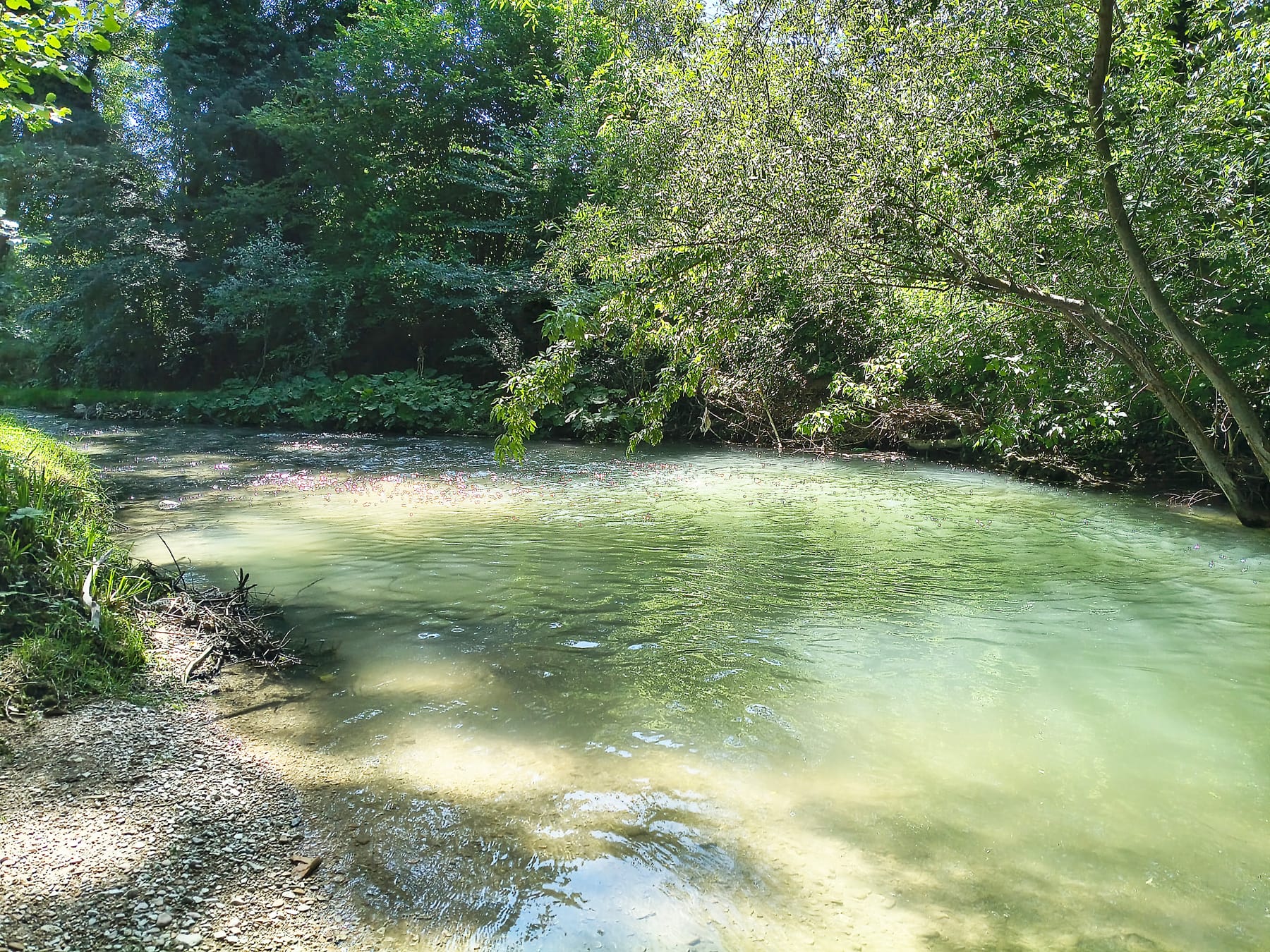
Foto in alto: l'incontaminato e quasi surreale paesaggio dei fiumi marchigiani.
Eccovi un’avventura fatta di pura ossessione, passi felpati e silenzi d’oro. Muovendoci come ombre nella boscaglia, andiamo a caccia dei dinosauri del centro Italia: i cavedani da record! Questi ciprinidi, temprati dal tempo e dalle correnti, sono veri fantasmi d'acqua dolce. Sono diffidenti seriali e spietati nel punire ogni minimo errore, perché basta il riflesso di una canna o lo schizzo impercettibile di un movimento brusco per vederli svanire nel nulla. Ma quando la lenza si tende, l'acqua esplode e la frizione canta... allora sì, che comincia la festa!
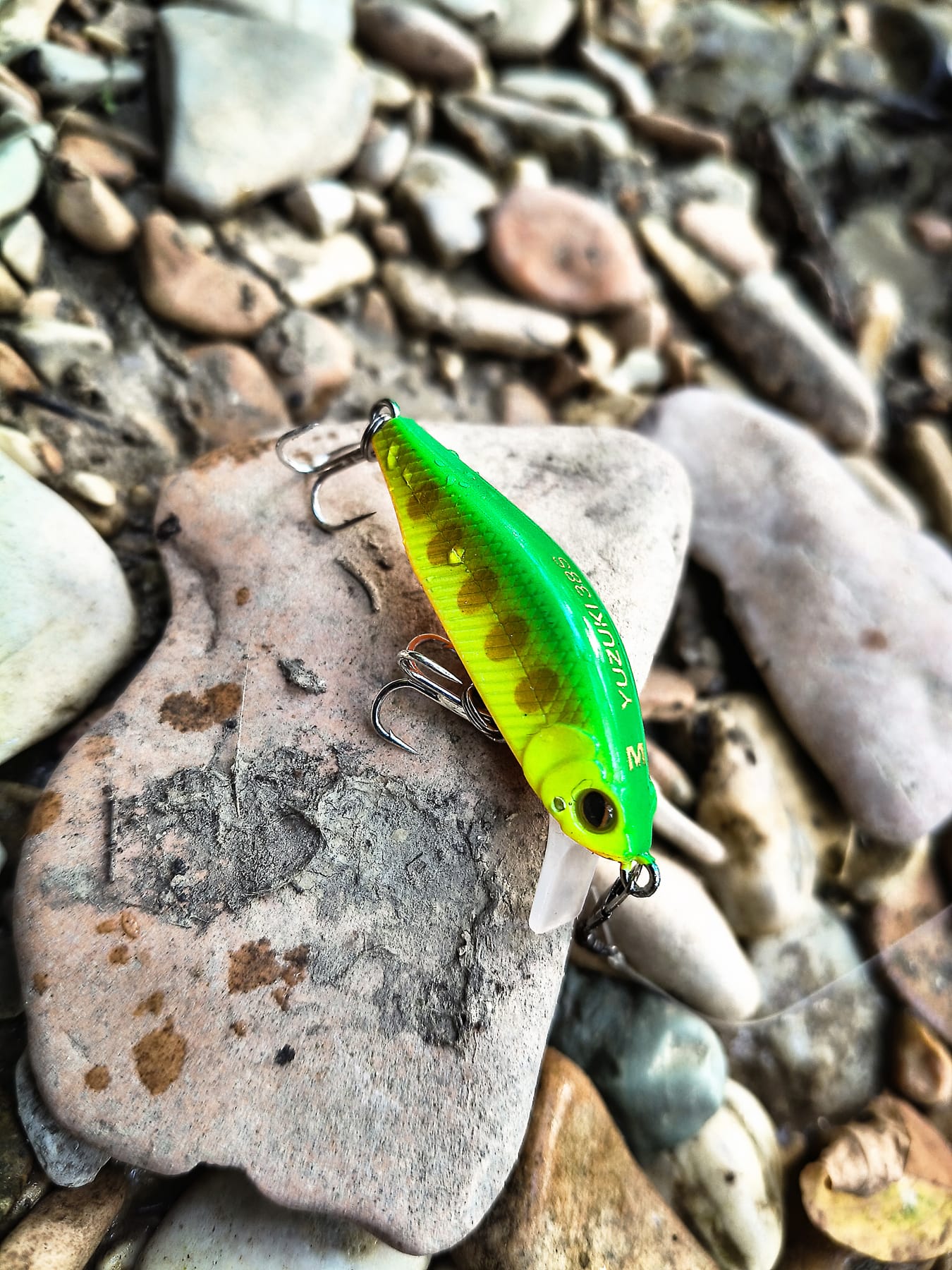
Osservazione - Il segreto di questa tecnica è l’osservazione! Avanzo nella boscaglia a passi calcolati, con l'acqua che stringe i cosciali e la corrente che spinge. Sul viso porto gli occhiali polarizzati, fondamentali per tagliare il riflesso del sole e individuare ogni movimento sott'acqua. Pri- ma di muovermi setaccio il fiume alla ricerca dei patriarchi, cavedani oltre i 3 chili, veri dinosauri d'acqua dolce, diffidenti e schivi. Ingannarli non è mai questione di fortuna, ma di perfezione nel lancio, nell'approccio invisibile e nel movimento dell'esca. Sono pesci capaci di rifiutare l'inganno all'ultimo centimetro, logorando i nervi del pescatore; per questo gli occhi sono l'arma decisiva contro la loro vista infallibile. Per la sfida la mia selezione è drastica e in scatola non mancano mai i rotanti da 6 grammi in su, bianchi a punti o giallo acceso. Quando però servono distanza e massima naturalezza, la carta vincente è il minnow sinking Mustad Yuzuki Soft Lip (da 3 o 4,8 grammi). Un'esca micidiale che vola lontano, dotata di una paletta morbida anti-urto progettata per pescare e osare tra i sassi e gli ostacoli più duri.
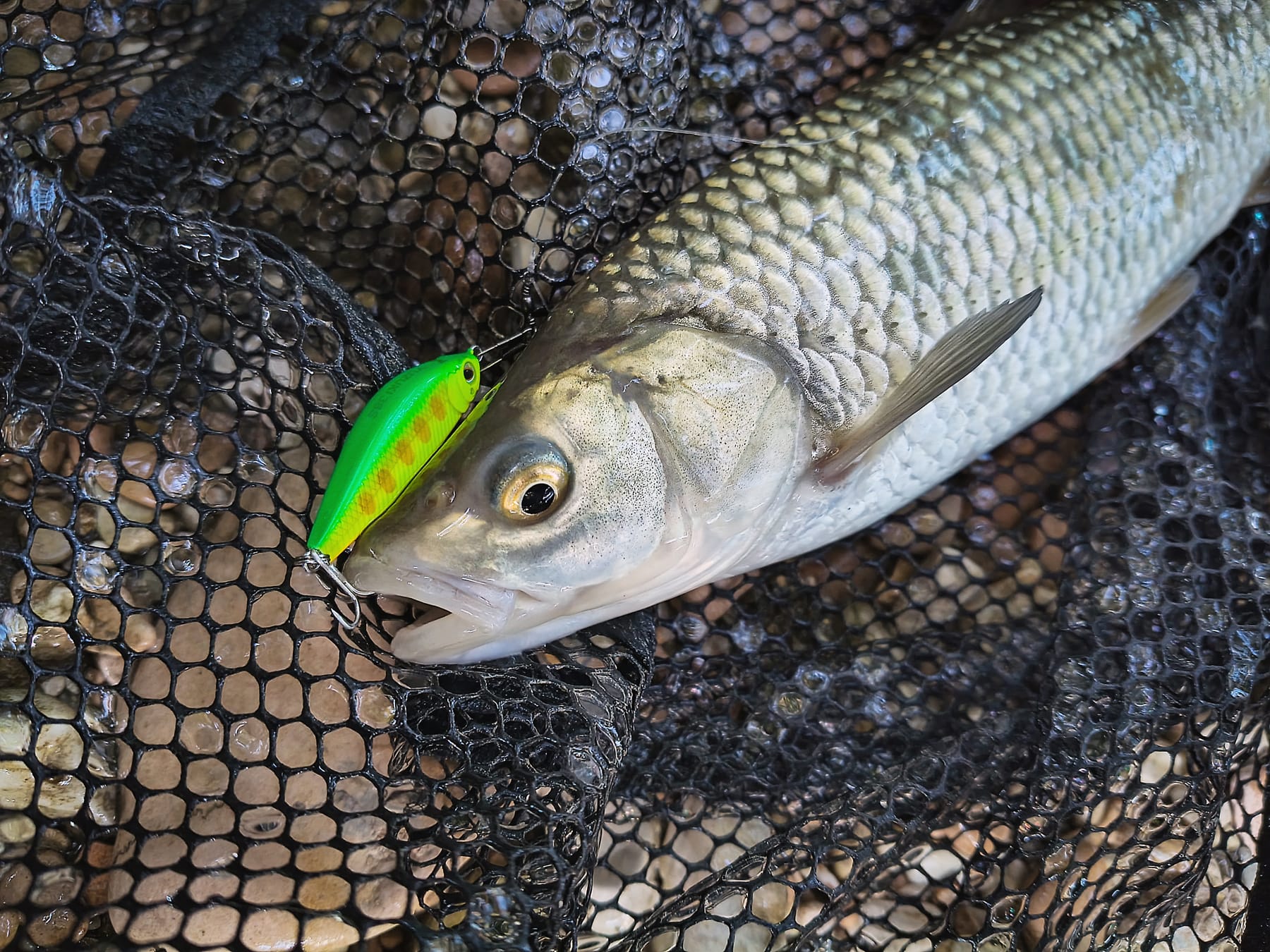
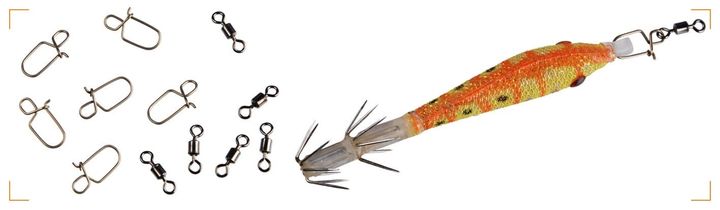
Assetto di pesca - Questa pesca non è per deboli di cuore, richiede l'astuzia di una volpe e la tecnica per domare mostri d'acqua dolce in piena corrente. La mia attrezzatura è una canna da 2,13 metri con casting 5-21 grammi, il perfetto compromesso tra sensibilità e schiena per lanciare a distanza e gestire minnow o rotanti pesanti, anche fino a 11-12 grammi. Oltre i 2,5 o 3 chili i cavedani smettono di mangiare vegetazione e mutano pelle, diventando preda- tori spietati. Per catturarli devi scatenare il loro istinto territoriale e farli arrabbiare. Spesso l'attacco avviene per pura reazione nell'istante esatto in cui l'esca rompe la superficie; ecco perché una livrea shock come il green chartreuse, in caccia spacca di brutto, un vero “insulto visivo” a cui un grande predatore non può resistere. L'azione è un lampo. Individui il pesce, scagli l'esca oltre la sua scia e accenni una leggera passata nel suo raggio visivo, devi morderlo subito, al primo giro di manovella o puoi dirgli addio. Ti muovi invisibile a lato del fiume, ti posizioni alle sue spalle, prendi la mira e lanci. L'esca taglia l'aria, accarezza l'acqua davanti al suo muso e poi... Taac! L'inferno di cristallo si rompe e inizia un combattimento furibondo e selvaggio. Per arrivare a questo, però, ogni nodo deve essere perfetto. In bobina serve una treccia ultrasottile da mm 0,12 unita a un finale in fluorocarbon ultraclear, invisibile come l'aria. Chiude l'assetto una girella con moschettone di alta qualità, fondamentale per scaricare le torsioni della corrente e forzare il pesce con fermezza assoluta, impedendogli di puntare i rami sommersi. Perché statene certi… un cavedano da record farà di tutto per spaccare tutto e riconquistare la libertà!
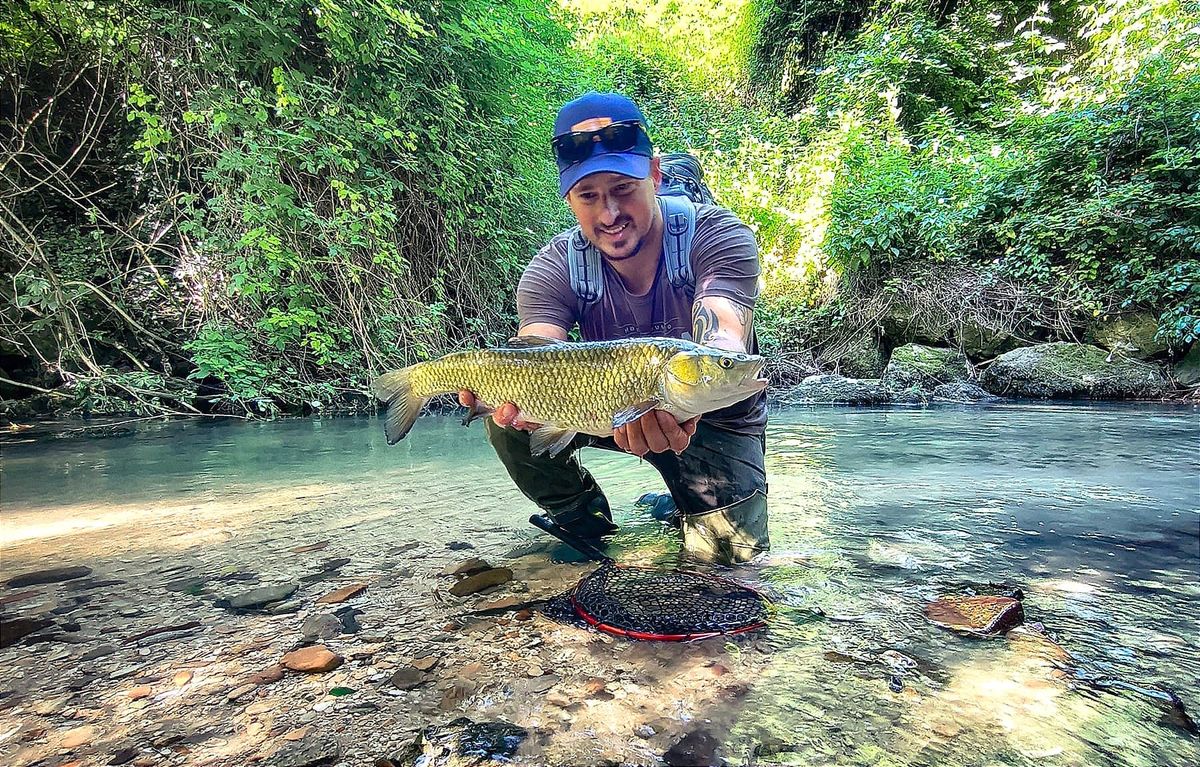
Una cattura record - Era un pomeriggio d’estate, di quelli in cui l'aria è densa ma dentro senti muoversi qualcosa, una vibrazione elettrica e la certezza viscerale che quel giorno qualcosa d’immenso avrebbe squarciato la rete del guadino. Mosso da quel sesto senso, punto dritto verso uno spot segreto. È una fortezza naturale, un tratto di fiume quasi inaccessibile ma regolamentato in modo da permettermi l'uso di esche artificiali di media dimensione, armate anche di ancorette. So che lì dentro nuotano i giganti e che la mole di quei pesci azzera ogni rischio di danneggiarli. Avanzo nel letto del fiume, sospeso tra i miei pensieri, mentre i raggi del sole filtrano come lame attraverso la boscaglia fitta. È il teatro perfetto, il territorio dei mostri. Poi il tempo si ferma. In lontananza, a galla, vedo muoversi un'enorme sagoma scura che taglia lentamente la corrente. Al primo impatto strabuzzo gli occhi pensando subito a una carpa per quanto è massiccia. Mi avvicino come un fantasma, passo dopo passo, finché l'acqua non si fa trasparente e cancella ogni dubbio. No, non è una carpa, è un cavedano colossale piantato proprio davanti a me. Il respiro si blocca di colpo nei polmoni e il cuore picchia contro il petto. So perfettamente come funziona, ho un colpo solo o al massimo due lanci, prima che avverta la mia presenza e svanisca per sempre. Impugno la canna e scelgo il rotante. Spingo indietro il braccio e scaglio.
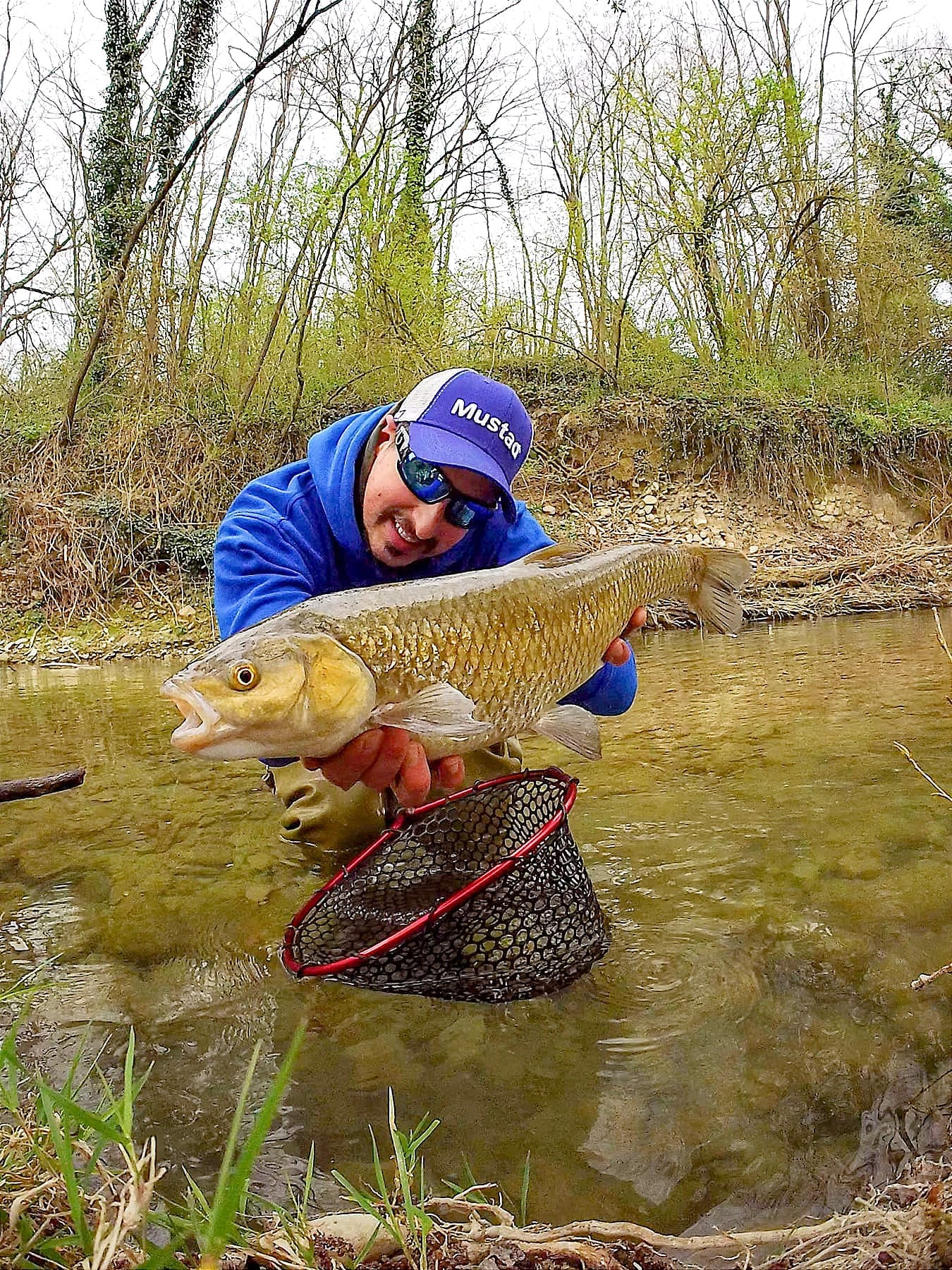
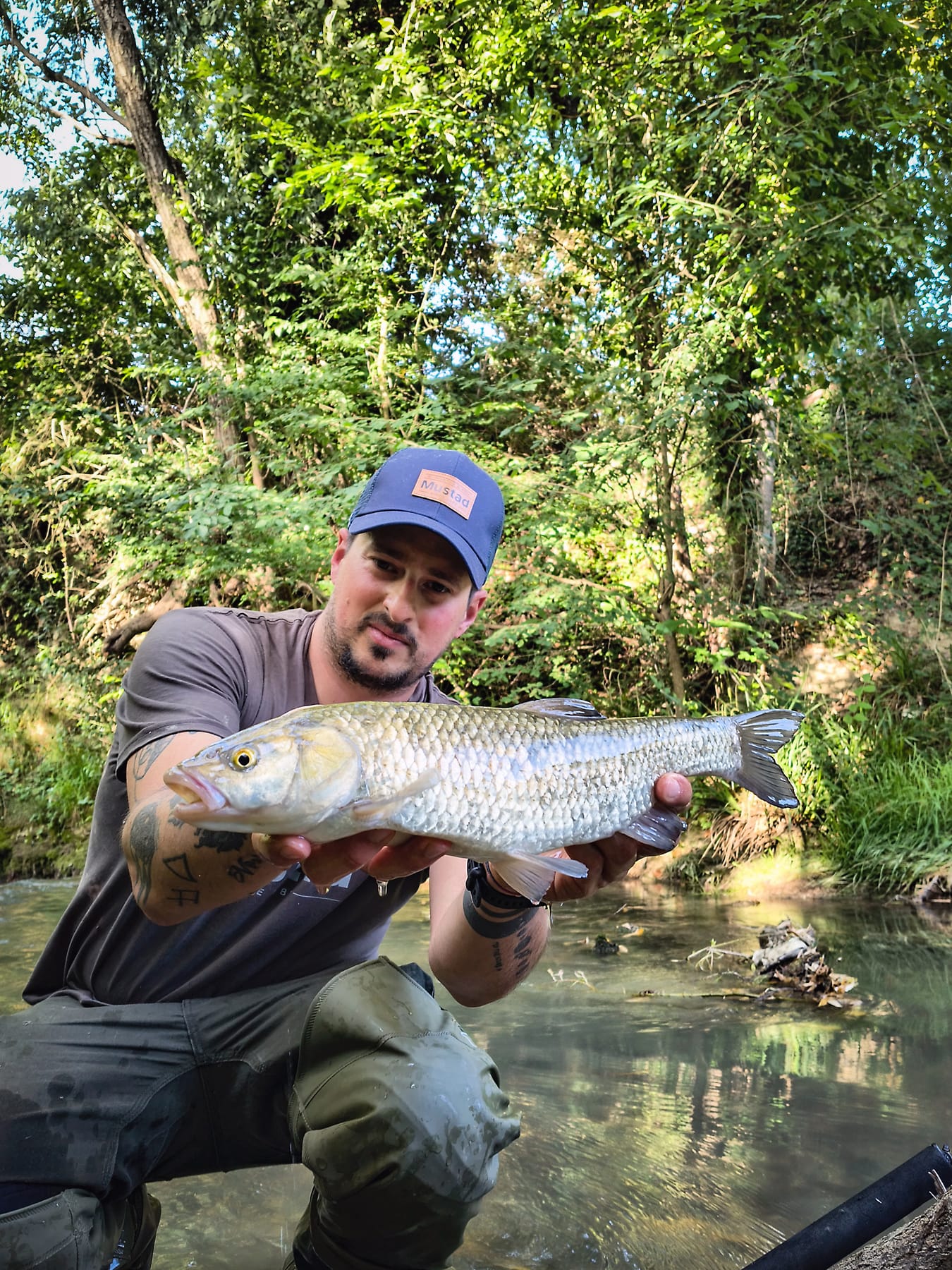
Il lancio esce perfetto, così l'esca vola e atterra millimetrica a tre metri davanti al suo muso. Il rotante inizia a lavorare nella leggera corrente del fiume, la paletta gira emettendo vibrazioni, il mostro la intercetta, si gira e parte a tutta velocità. Bam! La canna si piega ad arco e la frizione urla. Sento un peso incredibile, una forza sorda e brutale che non ho mai provato prima con questa specie. Il pesce punta la corrente, cerca disperatamente i rami, la sponda e la salvezza. Ma la mia attrezzatura è una certezza, assecondo le testate, blocco ogni tentativo di fuga e, senza volerlo sfinire per preservare le sue energie, lo guido con autorità verso la rete. Un ultimo colpo di coda ed è dentro! Maestoso e dorato, un cavedano italico di una bellezza indescrivibile, un vero colosso davanti al quale resto a fissarlo quasi senza crederci. Scatto qualche foto al volo e passo alle misurazioni, scoprendo oltre 60 centimetri di lunghezza. Ha un corpo così massiccio che una mano sola non basta e devo sostenerlo con due. Il verdetto è da brividi kg 3,6, regalandomi il mio nuovo “personal best”. Un sogno a occhi aperti. La soddisfazione più grande, però, è un'altra, ovvero appoggiare quel gigante antico nelle acque del suo regno e guardarlo mentre, con una scodata lenta e fiera, torna a casa nella sua corrente. Wow!
La pesca ai grandi cavedani non concede spazio al caso, richiede astuzia, nervi d'acciaio e una mira eccellente. È una pesca fatta di attese estenuanti e pura adrenalina, immersi nell'atmosfera selvaggia dei nostri fiumi. Creature capaci di sopravvivere a mille insidie per quindici anni meritano il nostro rispetto più assoluto. Per questo pratichiamo sempre un rigoroso catch and release, perché la gioia di incrociare nuovamente le loro strade a taglie ancora più leggendarie è un'emozione senza eguali!
English version
The Guardians of Silence
How to turn a fishing trip into a thrilling experience! The author, blessed with spectacular natural surroundings, describes—in almost poetic tones—the allure of a landscape that is unknown to others but familiar to him. Just like in a fairy tale, nature rewards him with an exceptional catch—a record-breaker!
Here is an adventure born of pure obsession, stealthy steps, and golden silences. Moving like shadows through the thicket, we go in search of the dinosaurs of central Italy: record-breaking chub! These cyprinids, hardened by time and currents, are true freshwater ghosts. They’re chronically wary and merciless in punishing even the slightest mistake, because all it takes is the glint of a rod or the imperceptible splash of a sudden movement to make them vanish into thin air. But when the line tenses, the water explodes, and the drag screeches… that’s when the party really begins!
Observation - The secret to this technique is observation! I advance through the thicket with measured steps, the water clinging to my thighs and the current pushing me along. I wear polarized sunglasses, essential for cutting through the sun’s glare and spotting every movement underwater. Before making a move, I comb the river in search of the “patriarchs”—chub weighing over 3 kilos, true freshwater dinosaurs, wary and elusive. Fooling them is never a matter of luck, but of perfection in the cast, the stealthy approach, and the lure’s movement. These are fish capable of rejecting the lure at the very last centimeter, wearing down the angler’s nerves; that’s why your eyes are the decisive weapon against their infallible sight. For this challenge, my selection is strict, and my tackle box is always stocked with spinners weighing 6 grams and up, in white with spots or bright yellow. However, when distance and maximum naturalness are needed, the trump card is the Mustad Yuzuki Soft Lip sinking minnow (3 or 4.8 grams). A deadly lure that flies far, equipped with a soft, shock-absorbing lip designed for fishing and maneuvering among rocks and the toughest obstacles.
Fishing Setup - This type of fishing isn’t for the faint of heart; it requires the cunning of a fox and the technique to tame freshwater monsters in full current. My setup consists of a 2.13-meter rod with a casting weight range of 5–21 grams—the perfect balance between sensitivity and power to cast long distances and handle heavy minnows or spinners, even up to 11–12 grams. Once they exceed 2.5 or 3 kilos, chub stop feeding on vegetation and shed their skin, transforming into ruthless predators. To catch them, you have to trigger their territorial instinct and provoke them. Often, the strike happens purely by reaction at the exact moment the lure breaks the surface; that’s why a shocking color like green chartreuse works like a charm when hunting—a true “visual insult” that a large predator can’t resist. The action happens in a flash. Spot the fish, cast the lure beyond its wake, and make a slight pass within its field of vision—you have to get a bite immediately, on the very first turn of the reel, or you can kiss it goodbye. You move silently along the riverbank, position yourself behind it, take aim, and cast. The lure cuts through the air, skims the water right in front of its snout, and then. ... Taac! The crystal-clear water shatters, and a furious, wild fight begins. To get to this point, however, every knot must be perfect. On the reel, you need an ultra-thin 0.12 mm braided line paired with an ultraclear fluorocarbon leader, as invisible as air. The rig is completed by a high-quality swivel with a snap, essential for absorbing the twists caused by the current and fighting the fish with absolute firmness, preventing it from heading for submerged branches. Because rest assured… a record-breaking chub will do anything to break free and regain its freedom!
A record catch - It was a summer afternoon—one of those days when the air is thick, yet deep inside you feel something stirring: an electric buzz and a gut-level certainty that something immense would tear through the landing net that day. Driven by that sixth sense, I headed straight for a secret spot. It’s a natural fortress, a stretch of river that’s nearly inaccessible but regulated in such a way as to allow me to use medium-sized artificial lures, even those equipped with treble hooks. I know that giants swim there and that the sheer size of those fish eliminates any risk of harming them. I make my way along the riverbed, lost in thought, while the sun’s rays filter through the dense underbrush like blades. It’s the perfect setting, the realm of monsters. Then time stands still. In the distance, on the surface, I see a huge dark silhouette moving, slowly cutting through the current. At first glance, my eyes widen—I immediately think it’s a carp, given how massive it is. I approach like a ghost, step by step, until the water becomes crystal clear and dispels all doubt. No, it’s not a carp—it’s a colossal chub planted right in front of me. My breath catches suddenly in my lungs, and my heart pounds against my chest. I know exactly how this works: I have just one chance—or at most two casts—before it senses my presence and vanishes forever. I grip the rod and choose the spinner. I pull my arm back and cast. The cast is perfect; the lure flies through the air and lands with pinpoint accuracy three meters in front of its snout. The spinner begins to work in the river’s gentle current; the blade spins, emitting vibrations. The monster intercepts it, turns, and takes off at full speed. Bam! The rod bends into an arc and the drag screams. I feel an incredible weight, a dull, brutal force I’ve never experienced before with this species. The fish heads straight into the current, desperately seeking the branches, the bank, and safety. But my gear is rock-solid; I counter its runs, thwart every escape attempt, and—without wanting to exhaust it so as to preserve its energy—I guide it decisively toward the net. One last tail flick and it’s in! Majestic and golden, an Italian chub of indescribable beauty—a true colossus that leaves me staring in disbelief. I snap a few quick photos and move on to measuring it, discovering it’s over 60 centimeters long. Its body is so massive that one hand isn’t enough; I have to support it with both. The verdict is thrilling: 3.6 kg, giving me my new “personal best.” A daydream come true. The greatest satisfaction, however, lies elsewhere: setting that ancient giant back into the waters of its kingdom and watching it, with a slow and proud flick of its tail, return home to its current. Wow!
Fishing for large chub leaves no room for chance; it requires cunning, nerves of steel, and excellent aim. It’s a form of fishing made up of grueling waits and pure adrenaline, immersed in the wild atmosphere of our rivers. Creatures capable of surviving a thousand dangers for fifteen years deserve our utmost respect. That’s why we always practice strict catch-and-release—because the joy of crossing paths with them again, when they’ve grown to even more legendary sizes, is an unparalleled thrill!
Commenti ()