
Ci sono uscite in mare che iniziano con un programma preciso e finiscono per regalare qualcosa di completamente diverso.
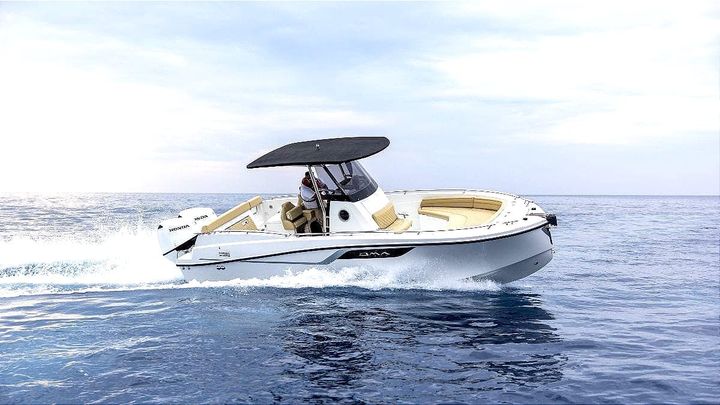
Ci sono uscite in mare che iniziano con un programma preciso e finiscono per regalare qualcosa di completamente diverso. È probabilmente questo uno degli aspetti più affascinanti della pesca in Adriatico: si parte inseguendo una specie, si osserva il mare, ci si adatta alle condizioni e, quando ormai la giornata sembra aver già raccontato tutto, arriva la sorpresa. Anche questa volta la partenza è dal porto di Piave Vecchia, a Jesolo, in una di quelle mattine di inizio stagione in cui l’aria comincia a cambiare e il mare dell’Alto Adriatico lascia intuire l'arrivo dell'autunno. Il programma è semplice: dedicare qualche ora alla ricerca delle prime piccole seppie di stagione. Ad accompagnarci c'è il Master 699 Fishing, gommone che per dimensioni e impostazione si presta particolarmente bene a questo tipo di uscita. Spazi di coperta liberi, buona stabilità durante l'azione di pesca e la possibilità di spostarsi rapidamente da una zona all'altra permettono di affrontare la giornata senza complicazioni, concentrandosi soprattutto sulla lettura del mare. Lasciate alle spalle le protezioni del porto, la costa di Jesolo comincia lentamente ad allontanarsi. Il motore trova il suo regime di crociera e davanti rimane quella distesa apparentemente uniforme che chi frequenta l'Adriatico sa invece essere piena di piccoli segnali. In questo periodo non servono necessariamente lunghe navigazioni, le seppie iniziano ad avvicinarsi alle zone costiere e l'obiettivo diventa individuare quei tratti di fondale sui quali cefalopodi ancora di piccola taglia stanno cominciando a muoversi.
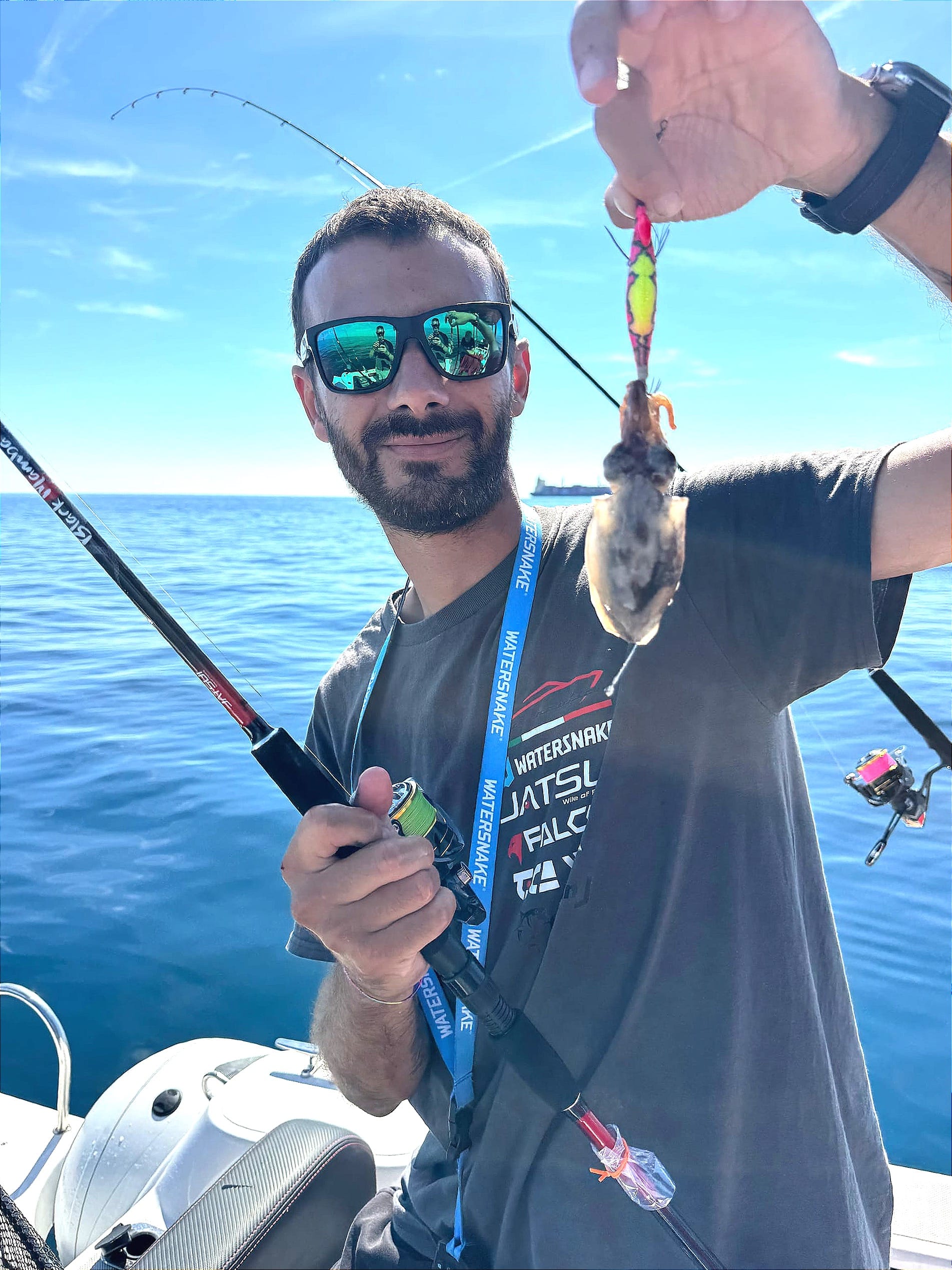
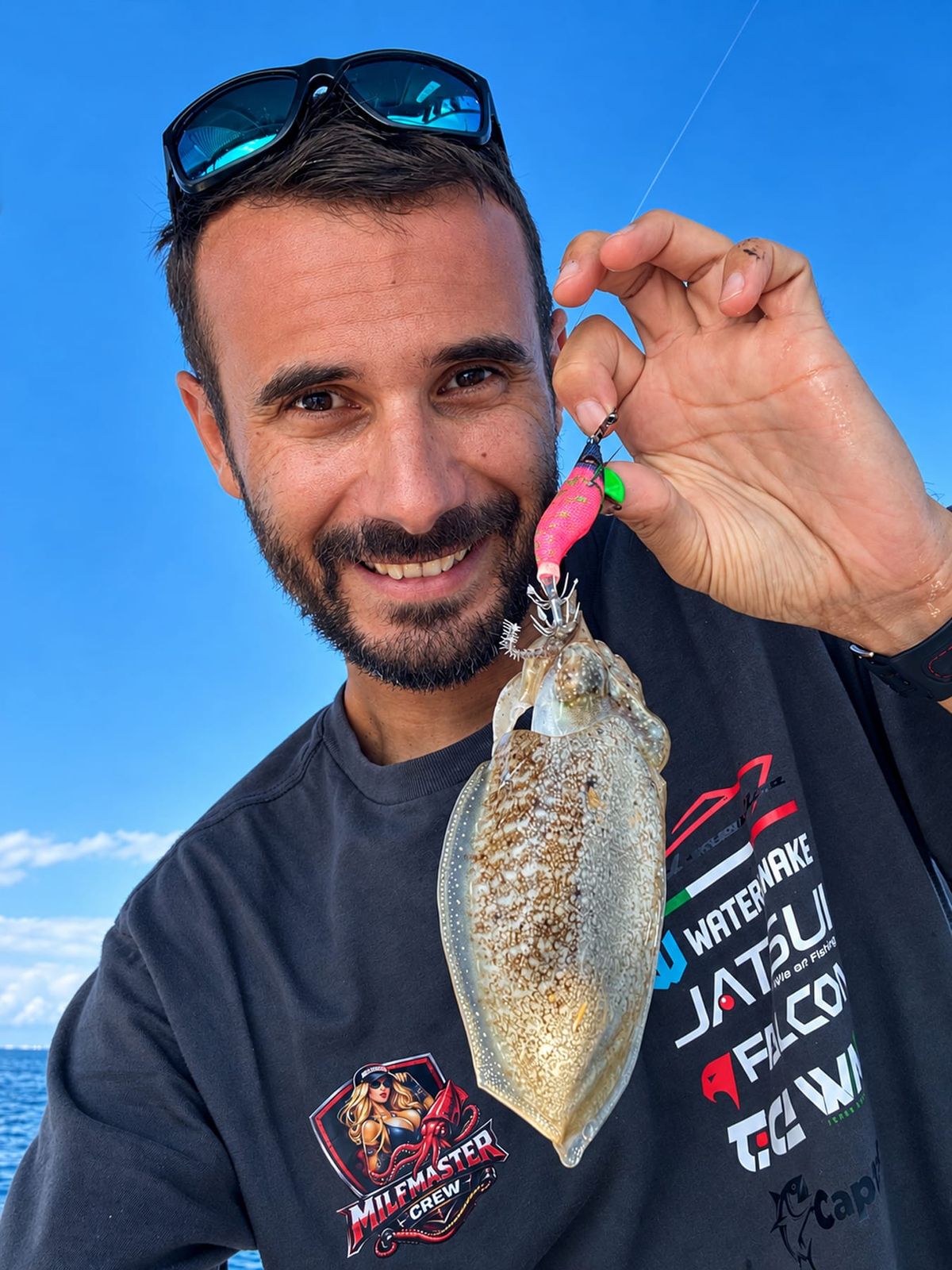
Fondali sabbiosi e fangosi, variazioni anche minime di profondità e presenza di alimento possono concentrare i cefalopodi in spazi relativamente ristretti. Una passata apparentemente improduttiva, può trasformarsi completamente spostandosi di poche decine di metri. Per questo il controllo della deriva è fondamentale. La scelta ricade su un'attrezzatura leggera e sensibile, canne capaci di trasmettere anche le tocche più delicate, trecciato sottile e terminale in fluorocarbon permettono di mantenere un contatto preciso con l'esca e soprattutto di capire cosa sta succedendo vicino al fondo. Gli artificiali sono piccoli egi, scelti in colorazioni naturali nelle condizioni di acqua limpida e leggermente più accese quando luminosità o trasparenza diminuiscono. Ma, più del colore, durante questa pesca conta la presentazione, L'artificiale deve lavorare vicino al fondo senza trasformare l'azione in una sequenza frenetica di jerk, qualche richiamo corto, una pausa e nuovamente contatto, spesso è proprio durante la fase di caduta o nei primi centimetri della ripartenza che arriva quella sensazione inconfondibile: un peso improvviso, quasi morbido. La canna si piega, la prima seppia della mattinata è piccola, perfettamente proporzionata, con i colori che cambiano continuamente mentre sale verso la superficie. Pochi istanti per osservarla e poi torna immediatamente in acqua, ed è proprio questa la linea che decidiamo di seguire per tutta la mattina. Una volta individuata la zona giusta, le mangiate iniziano ad arrivare con una certa regolarità, cambiamo artificiali, alterniamo recuperi e velocità di deriva, cercando soprattutto di capire quale presentazione venga accettata meglio. Le catture diventano diverse, ma sono tutte seppie di piccola taglia, ed è qui che la giornata assume un significato differente. Potremmo trattenerle, ma scegliamo di non farlo, una dopo l'altra, le piccole seppie vengono slamate rapidamente e rilasciate. È un gesto semplice, ma vedere ogni cefalopode sparire nuovamente nell'acqua restituisce una soddisfazione particolare. La pesca non deve necessariamente essere misurata soltanto attraverso il peso del pescato portato a terra, a volte la parte più bella è proprio sapere che quelle piccole seppie continueranno a crescere. Continuiamo quindi a pescare, più per il piacere dell'azione che per riempire il contenitore del pescato, la mattina trascorre così, fra derive, piccoli spostamenti e numerosi incontri, poi arriva il momento di rientrare, attrezzatura sistemata, prua nuovamente verso Jesolo e motore in crociera, la giornata, almeno apparentemente, è finita. Ma in mare bisogna sempre guardarsi intorno, durante il rientro qualcosa interrompe l'uniformità della superficie… Un tronco alla deriva, potrebbe sembrare un particolare insignificante, ma per chi pesca in mare aperto un oggetto galleggiante merita quasi sempre qualche secondo di attenzione, rallentiamo, ci avviciniamo senza entrare direttamente sopra il punto. Sotto il legno s’intravedono improvvisamente dei riflessi: verde, azzurro, oro… lampughe!
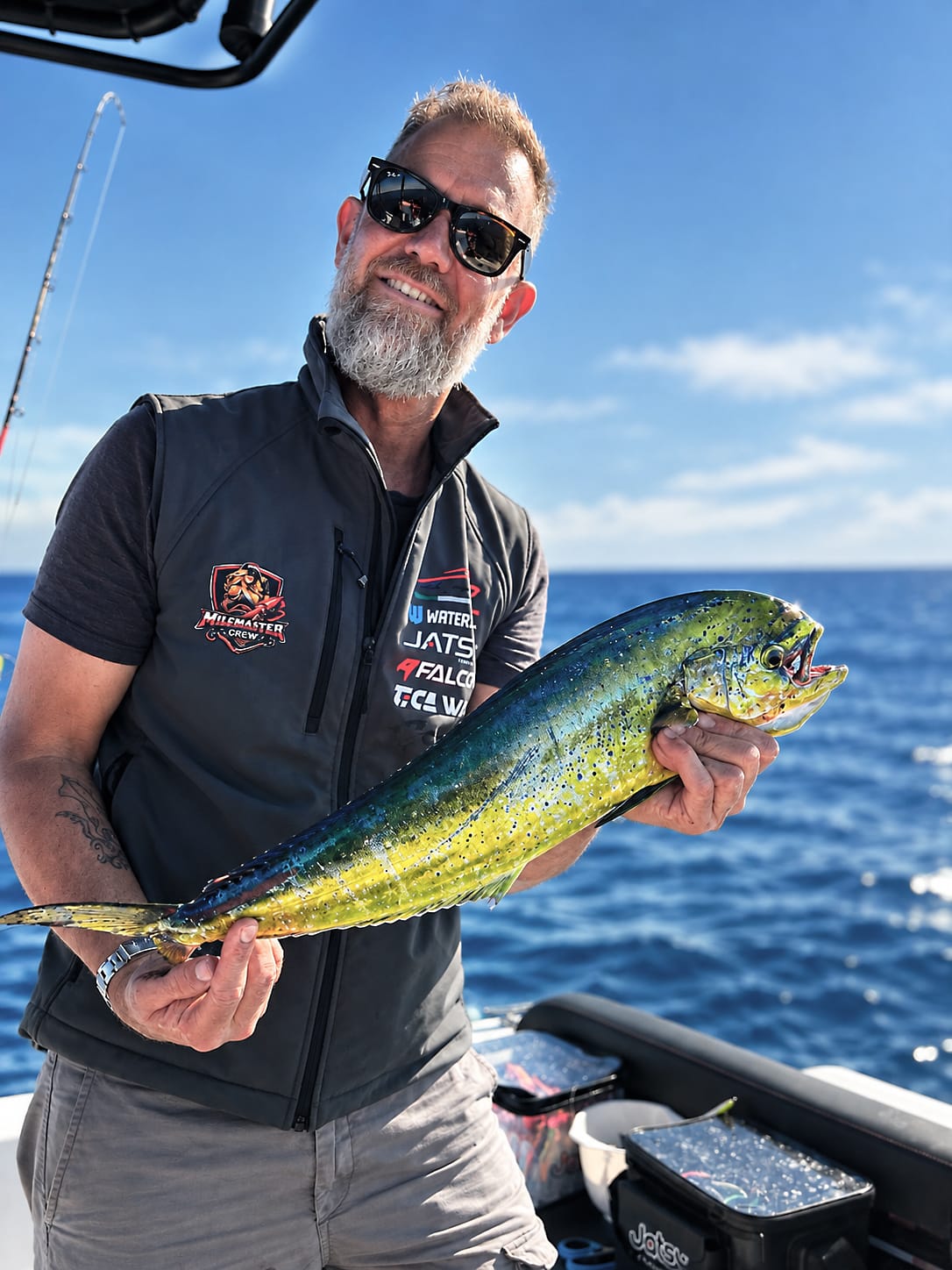
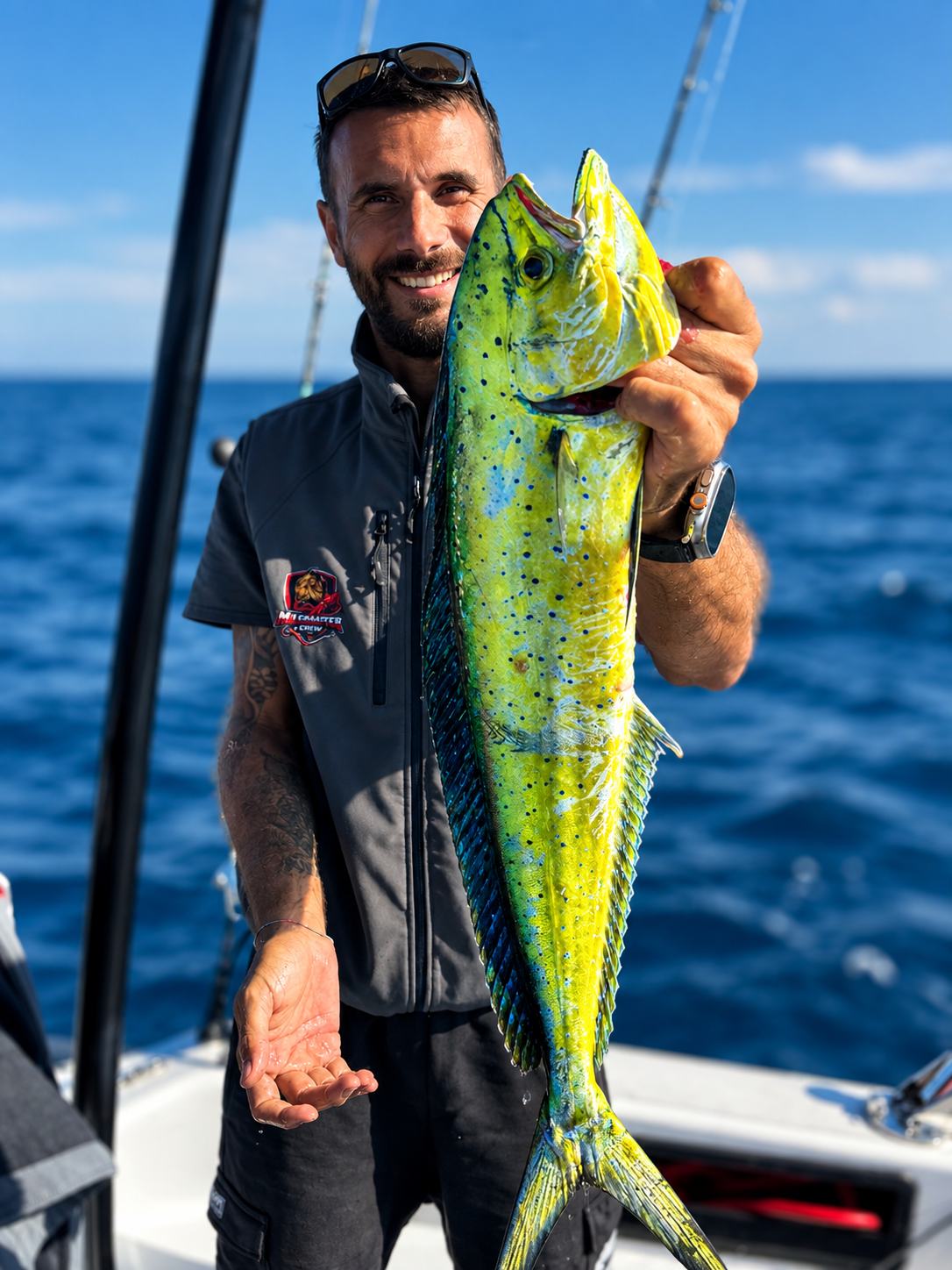
In un attimo cambia la giornata, le canne leggere tornano operative e l'approccio diventa quello tipico della pesca sui piccoli oggetti galleggianti: lanci oltre il punto, recuperi veloci e artificiali fatti passare lateralmente alla struttura, non bisogna quasi aspettare, una sagoma parte da sotto il tronco e accelera, l'attacco è fulmineo, la canna si piega e, dopo la pesca lenta e ragionata alle seppie, sembra improvvisamente di essere entrati in un altro mare, la lampuga corre, cambia direzione, arriva in superficie e riparte, sono pesci capaci di trasformare anche un'attrezzatura leggera in puro divertimento. E non è sola, seguono altre mangiate e altre partenze, sotto quel piccolo pezzo di legno alla deriva si è creato un minuscolo ecosistema: minutaglia, piccoli predatori e lampughe che sfruttano l'ombra e il riparo offerti dal tronco. È difficile immaginare un finale migliore. Siamo partiti da Piave Vecchia con l'intenzione di dedicare la mattinata alle prime seppie e torniamo verso Jesolo dopo aver vissuto due esperienze completamente differenti, da una parte una pesca tecnica, lenta e precisa, dall'altra l'improvvisazione totale. Le piccole seppie ci hanno obbligato a lavorare vicino al fondo, controllando artificiali, deriva e sensibilità dell'attrezzatura, le lampughe, invece, hanno richiesto l'esatto contrario: osservazione, rapidità e capacità di sfruttare un'occasione comparsa improvvisamente durante la navigazione. Quando rientriamo la costa di Jesolo torna lentamente a prendere forma, ripensiamo alle piccole seppie liberate poche ore prima e alle lampughe comparse quasi per caso sulla strada di casa, ed è forse questa l'immagine che rimane più di tutte, perché una bella giornata di pesca non è necessariamente quella nella quale si torna con il contenitore pieno. È quella in cui si torna in porto con la sensazione che il mare, ancora una volta, sia riuscito a sorprenderci.

FROM JESOLO FOR CUTTLEFISH AND…
Some trips to sea begin with a precise plan and end up offering something completely different.
Some trips to sea begin with a precise plan and end up offering something completely different. This is probably one of the most fascinating aspects of fishing the Adriatic: you set out in pursuit of one species, observe the sea, adapt to the conditions and, just when the day seems to have told its whole story, a surprise arrives. Once again, we leave from Piave Vecchia harbour in Jesolo, on one of those early-season mornings when the air begins to change and the northern Adriatic hints at the arrival of autumn. The plan is simple: spend a few hours looking for the first small cuttlefish of the season. Our boat is the Master 699 Fishing, a RIB whose size and layout make it particularly well suited to this kind of outing. Clear deck space, good stability while fishing and the ability to move quickly between areas make for an uncomplicated day, allowing us to concentrate above all on reading the sea. Once we leave the shelter of the harbour, the Jesolo coastline slowly begins to recede. The engine settles into its cruising rhythm and ahead lies that apparently uniform expanse which regular Adriatic anglers know is full of small signs. At this time of year, long runs are not necessarily needed. Cuttlefish begin moving into coastal areas, and the aim is to identify the patches of seabed where these still-small cephalopods are starting to gather. Sand and mud, even slight changes in depth and the presence of food can concentrate them in relatively small areas. An apparently unproductive drift can change completely after moving just a few dozen metres. That is why controlling the drift is essential. We choose light, sensitive tackle: rods that transmit even the most delicate touches, fine braid and a fluorocarbon leader allow precise contact with the lure and, above all, an understanding of what is happening near the bottom. Our lures are small egi jigs, in natural colours when the water is clear and slightly brighter shades when light levels or clarity diminish. But presentation matters more than colour in this fishing. The lure must work close to the bottom without turning the action into a frantic succession of jerks: a few short lifts, a pause and contact again. Often it is on the drop, or within the first few centimetres of renewed movement, that the unmistakable sensation comes: a sudden, almost soft weight. The rod bends. The first cuttlefish of the morning is small and perfectly proportioned, its colours changing continually as it rises towards the surface. We take a few moments to observe it before returning it immediately to the water, and this is the approach we decide to follow throughout the morning. Once we find the right area, takes begin to come fairly regularly. We change lures, vary retrieves and drift speeds, trying above all to understand which presentation is most readily accepted. We catch several, but they are all small cuttlefish, and this is where the day takes on a different meaning. We could keep them, but choose not to. One after another, the little cuttlefish are quickly unhooked and released. It is a simple gesture, but watching each cephalopod disappear back into the water brings a special satisfaction. Fishing need not be measured solely by the weight of the catch brought ashore; sometimes the best part is knowing that those small cuttlefish will continue to grow. So we carry on fishing, more for the pleasure of the action than to fill the catch box. The morning passes in this way, between drifts, short moves and numerous encounters. Then it is time to head back: tackle stowed, bow pointing towards Jesolo again and engine at cruising speed. The day, at least apparently, is over. But at sea you must always keep looking around. On the way back, something interrupts the uniformity of the surface… A drifting log. It might seem insignificant, but to anyone who fishes offshore, a floating object almost always deserves a few seconds’ attention. We slow down and approach without driving straight over the spot. Suddenly, flashes appear beneath the wood: green, blue, gold… dolphinfish! In an instant, the day changes. The light rods are back in action and we adopt the usual approach for fishing around small floating objects: cast beyond the spot, retrieve quickly and work the lures along the sides of the structure. There is barely any waiting. A shape shoots out from beneath the log and accelerates. The strike is lightning fast, the rod bends and, after the slow, considered cuttlefish fishing, it suddenly feels as though we have entered another sea. The dolphinfish runs, changes direction, comes to the surface and takes off again. These fish can turn even light tackle into pure enjoyment. And it is not alone: more takes and more runs follow. Beneath that small piece of drifting wood, a tiny ecosystem has formed: small fry, little predators and dolphinfish making use of the shade and shelter offered by the log. It is hard to imagine a better ending. We left Piave Vecchia intending to spend the morning on the first cuttlefish and are returning towards Jesolo after two completely different experiences: one technical, slow and precise, the other entirely improvised. The small cuttlefish made us work close to the bottom, managing lures, drift and tackle sensitivity. The dolphinfish demanded the exact opposite: observation, speed and the ability to seize an opportunity that appeared suddenly while under way. As we return and the Jesolo coastline slowly takes shape again, we think back to the little cuttlefish released just a few hours earlier and the dolphinfish that appeared almost by chance on the way home. Perhaps that is the image that stays with us most, because a fine day’s fishing is not necessarily one that ends with a full catch box. It is one that brings you back to harbour feeling that the sea has, once again, managed to surprise you.

Commenti ()